

Gen Z and Sustainability: The Story Is More Nuanced Than We Think


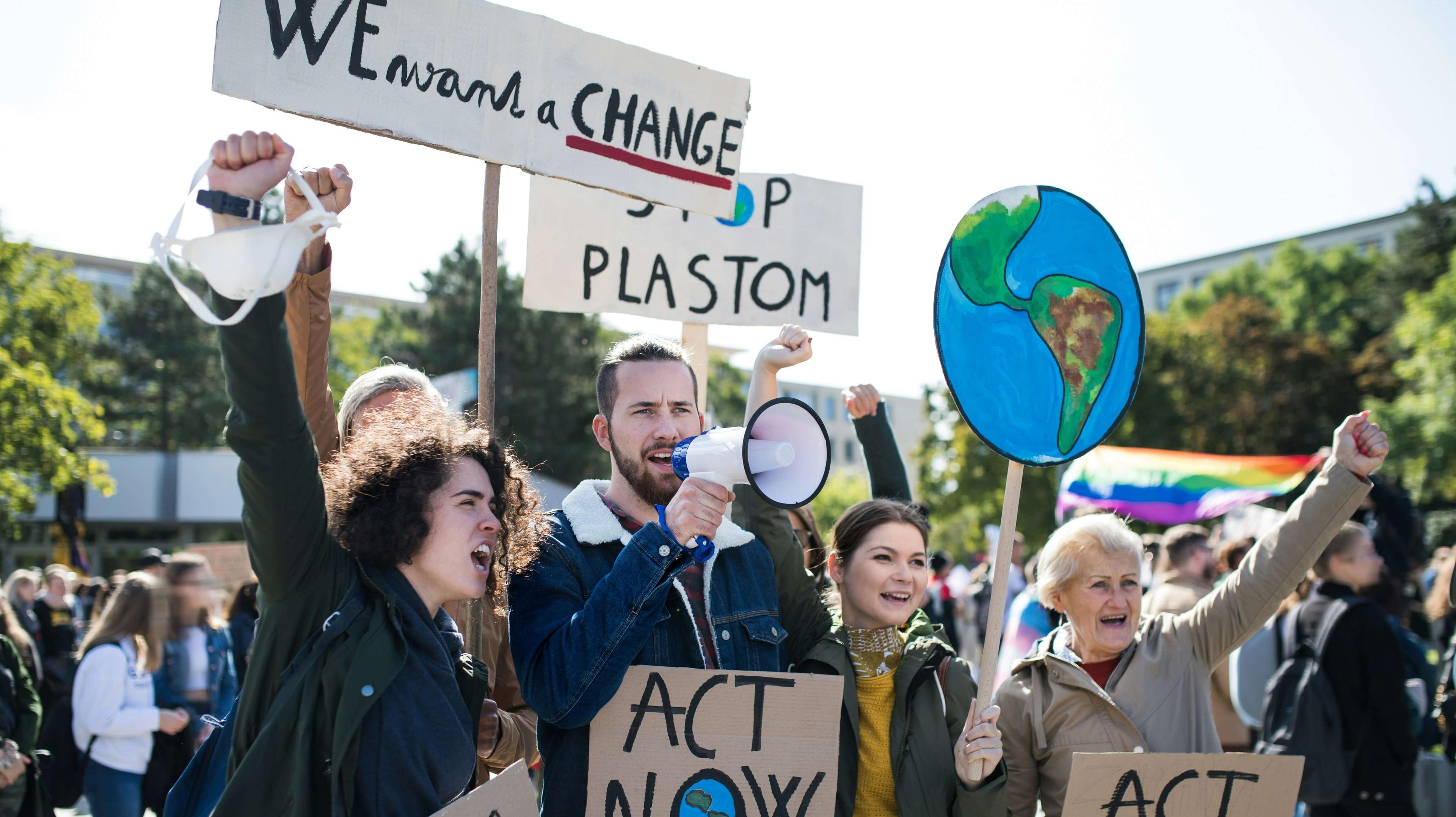
Gen Z is often viewed as the generation most committed to sustainability, but the data reveals a more nuanced reality. This blog explores how environmental engagement differs across generations and what brands need to understand to connect authentically.
Yesterday, looking out at a sky that had turned an unsettling shade of orange, climate change didn’t feel like a distant issue. It felt present. Visible. Hard to scroll past, and even harder to ignore.
And as I watched more people post about how “real” the climate crisis suddenly felt, it raised a question I’ve been thinking about from a brand perspective: Gen Z is widely considered one of the most vocal generations when it comes to climate change and sustainability — but does the data actually support that assumption?
The more I looked at the data, the less straightforward the answer became.
IMI Pulse data shows Gen Z does engage with sustainability and climate-related issues. But it also shows that other generations engage in meaningful ways too — sometimes more strongly, depending on the behavior being measured. Millennials often show higher engagement with sustainability-related purchase drivers. Boomers lead on some common environmental behaviors. And even within Gen Z, the story is far from one-dimensional.
That nuance matters. Because if brands are going to speak to Gen Z about sustainability, they need to understand how environmental engagement actually shows up — not just rely on assumptions about who cares most.
Gen Z cares — but not always in the ways we expect
When people talk about Gen Z and climate change, the assumption is often that this is the generation most motivated by environmental issues. Our data shows Gen Z does care about the environment — but perhaps not in the way many marketers might assume.
Among Gen Z, the strongest environmental behaviors are surprisingly practical. 71% say they recycle, 60% buy environmentally friendly products, and 59% say they purchase because a product is environmentally friendly. Even reducing plastic use remains a priority, with 56% saying it’s something they actively care about.
Our data tells a slightly different story when we move beyond everyday behaviors. Just 43% say they raise awareness about the climate change emergency, while 37% volunteer at climate-related events and 36% donate money to fight climate change.
That’s what makes this finding so interesting. Gen Z’s concern about the environment is real — but it appears most visible when it connects to tangible actions and product choices rather than activism alone.
Sustainability shows up differently at the shelf
If Gen Z is often associated with climate concern, our data suggests Millennials may be more likely to cite sustainability-related factors when making purchase decisions.
64% of Millennials say they purchase because products are environmentally friendly, compared to 59% of Gen Z, 55% of Gen X, and 44% of Boomers. A similar pattern emerges across other sustainability-related purchase drivers, from supporting sustainability to choosing products that help address climate change.
For brands, that’s an important distinction. The findings suggest environmental engagement and sustainability-related purchase drivers don’t always show up in the same places.
Boomers challenge the sustainability stereotype
Another finding that challenged my assumptions: Boomers aren’t the least environmentally engaged generation.
In fact, our data shows they lead all generations on some of the most common environmental behaviours. An impressive 81% say they recycle — the highest level of any generation — followed by Gen X at 77%, Millennials at 73%, and Gen Z at 71%. The pattern is similar when it comes to reducing plastic use, where Boomers and Millennials both show strong engagement at 62%, followed by Gen X at 60% and Gen Z at 56%.
Where things change is when sustainability becomes a purchase driver. Gen X generally sits between younger and older cohorts, while Millennials and Gen Z are more likely to connect sustainability to brand choice.
In other words, environmental concern and sustainability-driven purchasing aren’t necessarily the same thing.
Even within Gen Z, the story isn’t one-dimensional
Gender adds another layer of nuance to the findings.
Within Gen Z, females are slightly more likely to recycle and reduce plastic use, while males show higher engagement when it comes to supporting sustainability efforts, donating to climate causes, and volunteering at climate-related events.
The differences aren’t dramatic enough to suggest entirely different sustainability strategies, but they do reinforce a broader point: environmental engagement isn’t one-dimensional — even within the generation most often associated with climate activism.
What brands should consider
Start with the audience, not the assumption. Gen Z may be strongly associated with climate concern, but sustainability engagement shows up differently across generations, behaviours, and purchase drivers.
Look at where sustainability fits. For Gen Z, the strongest signals are tied to practical, product-connected actions. For Millennials, sustainability-related purchase drivers appear especially important. For Boomers, familiar environmental behaviours like recycling and reducing plastic use stand out.
Avoid treating sustainability as one story. The role it plays will depend on who a brand is trying to reach, what category it operates in, and where sustainability meaningfully intersects with the product, experience, or decision being made.
The orange sky may have sparked the question, but the data told a more nuanced story. Sustainability matters across generations — just not always in the ways we assume.
At IMI, we help brands uncover the insight needed to define who to talk to, how to connect, where to be and what to say…then move from insight to action. Whether it’s understanding evolving consumer motivations, identifying growth opportunities, or shaping strategies that resonate with real behaviors, we deliver insight-driven solutions that help brands compete and grow.