

A Lasting Shift: Canadian Affiliation Is Driving Brand Growth


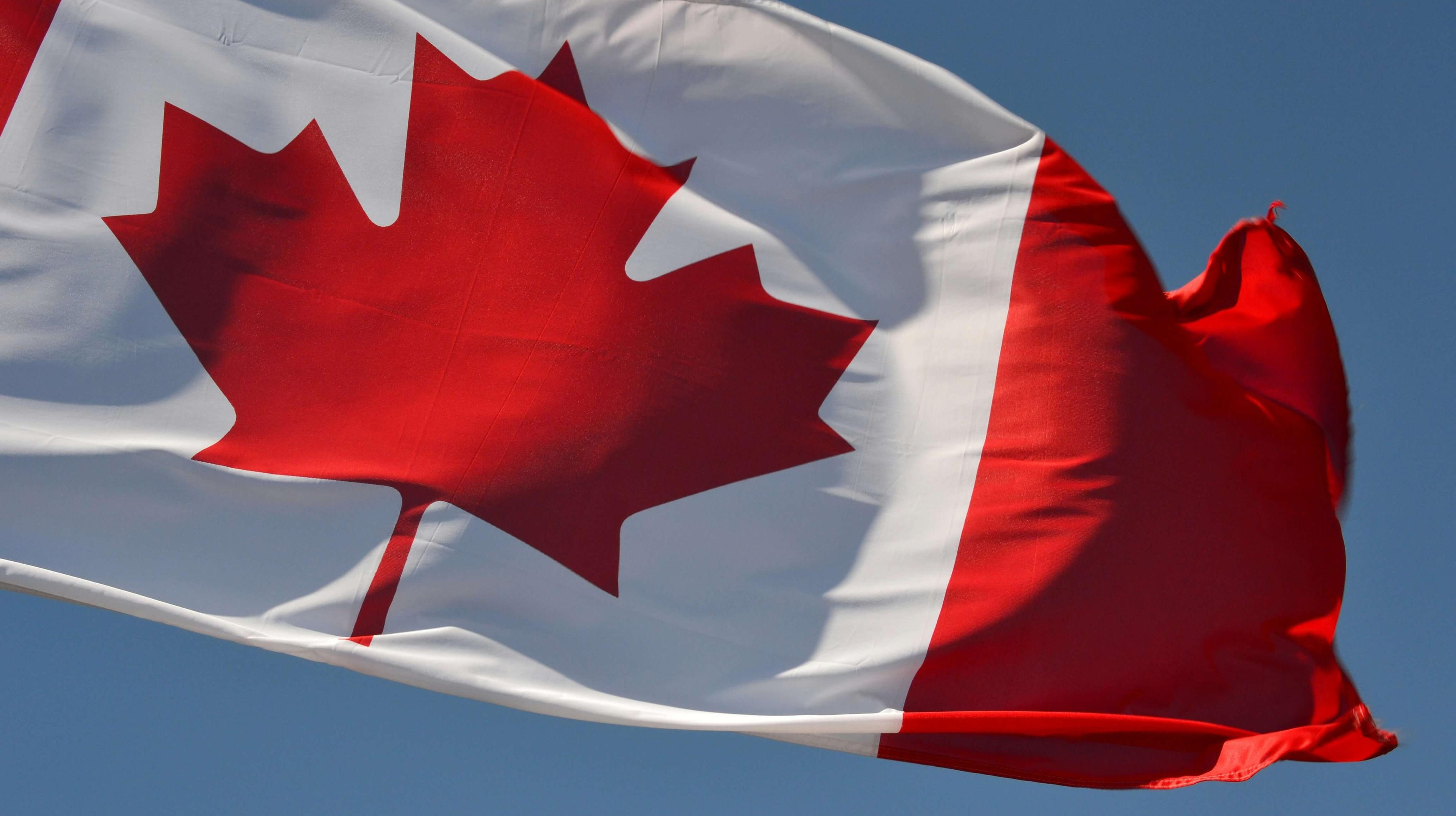
IMI NextWave™ May 6th, 2026
Cross-Border Sentiment & Canadian Affiliation Strategy
Wave 9 | May 2026 | n=2,000 | Canada & USA | 18+
9 waves conducted February 2025–May 2026
What started as a reaction is now a structural shift in Canadian behaviour
Over nine consecutive waves of tracking, we’ve seen attitudes tied to trade, tariffs, and cross-border rhetoric steadily translate into measurable changes in how Canadians buy. What initially surfaced as a reaction in early 2025 has now settled into something more enduring - a stable and sustained behavioural shift.
At the center of that shift is “Canadian affiliation.” What was once a peripheral cue has become a meaningful driver of choice - shaping both initial consideration and the final moments of decision across categories.
This is not a moment - it’s a re-patterning of demand
The scale and consistency of the shift are hard to ignore:
20M+ Canadians purchased a “Made in Canada” product in the past month
~80% have or will do so in 2026
6 in 10 recent purchases were influenced by Canadian affiliation
+60% report increased purchase intent when Canadian affiliation is present
Only 2–3% indicate any negative impact
Just as important as the numbers is the pattern - they have strengthened, wave over wave, since February 2025. This isn’t volatility in the market. It’s durability.
Consumers are leaning in but effort is the deciding factor
Canadian consumers are not passive in this shift - they are actively adjusting their behaviour:
1 in 2 will take extra time to seek out Canadian products
+51% intend to increase their purchases of Canadian goods
–38% report decreased intent to buy U.S.-made products
64% are more open to the trial of Canadian brands and services
This intent comes, however, with a caveat: effort introduces friction. Consumers are willing to search, but not indefinitely. Brands that make Canadian affiliation easy to recognize remove that friction and are more likely to convert. Those that don’t risk losing at the final moment.
Visibility is now the unlock and consumers are asking for it
There is a clear signal from consumers: they don’t just value Canadian affiliation, they want to see it more clearly.
75% want the same or more “Buy Canadian” messaging
3 in 10 explicitly want more
And when it comes to influence, clarity matters:
80%+ are positively influenced by on-pack cues like; “Made in Canada”, “Locally Made”, “Made with Canadian Beef”
The takeaway is straightforward, when Canadian origin is present, subtlety works against you. Visibility drives action.
Winning brands are the ones that remove effort at the point of choice
Across market, the brands seeing the greatest impact are not necessarily the ones saying more, but the ones making it easiest for consumers to act.
On packaging, this is the highest-impact lever:
Canadian affiliation must be clear, immediate, and unmistakable
It needs to be highly visible, frictionless to identify, and unambiguous
Prioritize red and white cues, flags, and certification marks consistently outperform
Placement matters, prioritize the top-third or primary pack face
Avoid blending into brand colours (e.g., green/yellow variants)
Consumers are willing to look, but brands that eliminate that effort win disproportionately. That same principle carries across the path to purchase.
In-store, shelf tags, callouts, and displays reinforce and validate what’s on pack.
In digital environments, integrate Canadian signals into product detail pages, filters (“Made in Canada”) and search prioritization. Treat origin as a functional attribute, not just branding
And at a brand level, the strongest players extend this beyond packaging into sponsorships, partnerships, and broader marketing signals that reinforce meaning over time.
Canadian affiliation can protect value, but brand strength still matters
There is also a pricing implication, but it’s nuanced.
Canadian affiliation can provide a level of price resilience, particularly when supported by existing brand trust. However, it is not a shortcut to premium.
Stronger brands are better positioned to translate affiliation into margin stability
Weaker brands tend to benefit more from increased trial and volume
There is no universal rule - context and brand equity still play a defining role.
This is a strategic window and not a short-term play
What the data consistently shows is that this is not a temporary dynamic.
The behaviour has stabilized, and the outlook points to a multi-year window of opportunity at minimum 2–3 years. Canadian affiliation should be treated accordingly: not as a campaign layer, but as a core component of go-to-market strategy.
Brands that build this into their system now - across packaging, retail, digital, and brand, will be better positioned to sustain advantage as the behaviour becomes fully normalized.
The takeaway: this is about conversion, not just sentiment
Canadian affiliation is no longer just a signal of alignment. It is a commercial lever. It is actively influencing conversion, trial, and brand switching at scale.
The demand is clear. It’s strong, sustained, and asking for more visibility.
The opportunity for brands is not simply to participate but to make Canadian choice the easiest choice.
Because in this environment, the brands that win won’t just reflect sentiment, they will convert it.